Welcome!
Where do we start?
Building a good life with supports brokerage
If you've ever found yourself asking,
"Where do we even start?" you're not alone.
Navigating New Jersey's self-directed services can feel overwhelming. Between finding staff, exploring housing options, completing paperwork, and planning for the future, there's a lot to manage. That's where a Supports Broker comes in.
At Mathews Supports, we believe Supports Brokerage is about much more than helping people coordinate services. It's about helping people build lives that are meaningful to them.
Our Supports Brokers walk alongside the people we support and their families to understand what matters most—their goals, interests, relationships, routines, and dreams for the future. From there, we work together to develop creative solutions, connect with resources, and build supports that reflect each person's unique vision for their life.
Whether you're just beginning your self-direction journey or looking for new opportunities years later, we're here to support you every step of the way.
How We Can Help
Every person's journey is different, which is why Supports Brokerage is never one-size-fits-all. Some of the ways we commonly support and assist
people and families include:
Finding the Right Staff
Recruiting, interviewing, hiring, and onboarding Self-Directed Employees (SDEs) who are the right fit—not just for the job, but for the person's personality, goals, and lifestyle.
Creating a Home
Exploring housing options, identifying available resources, and helping people create a home where they feel safe, comfortable, and connected.
Building Community
Discovering opportunities for volunteering, recreation, education, and social connections that help people build meaningful relationships, discover new interests, and become active members of their communities.
Planning for the Future
Using person-centered planning to identify what's important today while creating a roadmap for tomorrow. Whether the goal is greater independence, employment, housing, or building new relationships, we help turn ideas into achievable next steps.
Navigating Self-Direction
Helping people and their families understand the self-direction process, complete required paperwork, manage renewals, and confidently navigate the system so they can focus on what matters most.
Our Approach
Everything we do is rooted in the belief that every person deserves to feel valued, connected, and in control of their own life.
Our work is guided by the principles of person-centered thinking, a Culture of Gentleness, and Charting the LifeCourse (CtLC). We believe meaningful support begins with genuine relationships. When people feel safe, loved, loving, and engaged, they are more likely to grow in confidence, build meaningful relationships, explore new opportunities, and create lives filled with purpose.
Rather than focusing only on services, we focus on people.
At Mathews Supports, we believe everyone deserves the opportunity to build a good life. A life filled with choice, meaningful relationships, belonging, purpose, and opportunities to grow. We're honored to walk alongside the people we support and their families as they create that life, one step at a time.
understanding direct support & how we help
At Mathews Supports, we believe Direct Support is about much more than providing a service. It's about helping people build lives filled with choice, purpose, meaningful relationships, and opportunities to grow.
Our Direct Support Professionals (DSPs) work alongside the people we support to encourage independence, build confidence, and help them achieve the goals that matter most to them. Rather than doing things for people, we believe in doing things with them—providing the support needed while encouraging each person to learn new skills, make choices, and become an active member of their community.
Every person has their own interests, strengths, and vision for the future. That's why our supports are individualized and built around what is important to each person. Whether someone wants to learn a new skill, find a volunteer opportunity, join a community group, build friendships, gain employment, or become more independent at home, we're there to help make those goals possible.
Our Services
Mathews Supports provides both Community-Based Supports (CBS) through the Supports Program and Individual Supports (IS) through the Community Care Program.
These services are designed around each person's unique goals and can include support at home, in the community, at work, or wherever life happens. Our Direct Support Professionals provide support with daily living skills, community participation, social connections, recreation, employment, and so much more—all while promoting independence, dignity, and choice.
For people with more complex support needs, our team also includes a Board Certified Behavior Analyst (BCBA) and a Licensed Practical Nurse (LPN). By working collaboratively with our Direct Support Professionals, they provide additional guidance, training, and clinical expertise to help ensure supports are individualized, consistent, and responsive to each person's unique needs.
Our Approach
Everything we do is rooted in person-centered thinking, the Culture of Gentleness, Ukeru, and Charting the LifeCourse (CtLC).
We believe meaningful support begins with meaningful relationships. When people feel safe, loved, loving, and engaged, they are more likely to build confidence, discover new opportunities, strengthen relationships, and create lives filled with purpose.
At Mathews Supports, our goal isn't simply to provide support—it's to help people create lives that reflect their own goals, interests, relationships, and dreams for the future.
We're honored to walk alongside the people we support as they discover what's possible, celebrate everyday successes, overcome challenges, and create lives they are proud to call their own.
Summer is a wonderful time of year! Warm weather brings longer days, outdoor activities, trips to pools and beaches, and time spent with family and friends. But summer can also bring real health risks — from the heat and sun to bugs and water. For people with developmental disabilities, some of these risks need a little extra attention. With the right information and some simple planning, everyone can have a safe and enjoyable summer.
Sun Protection Matters for Everyone
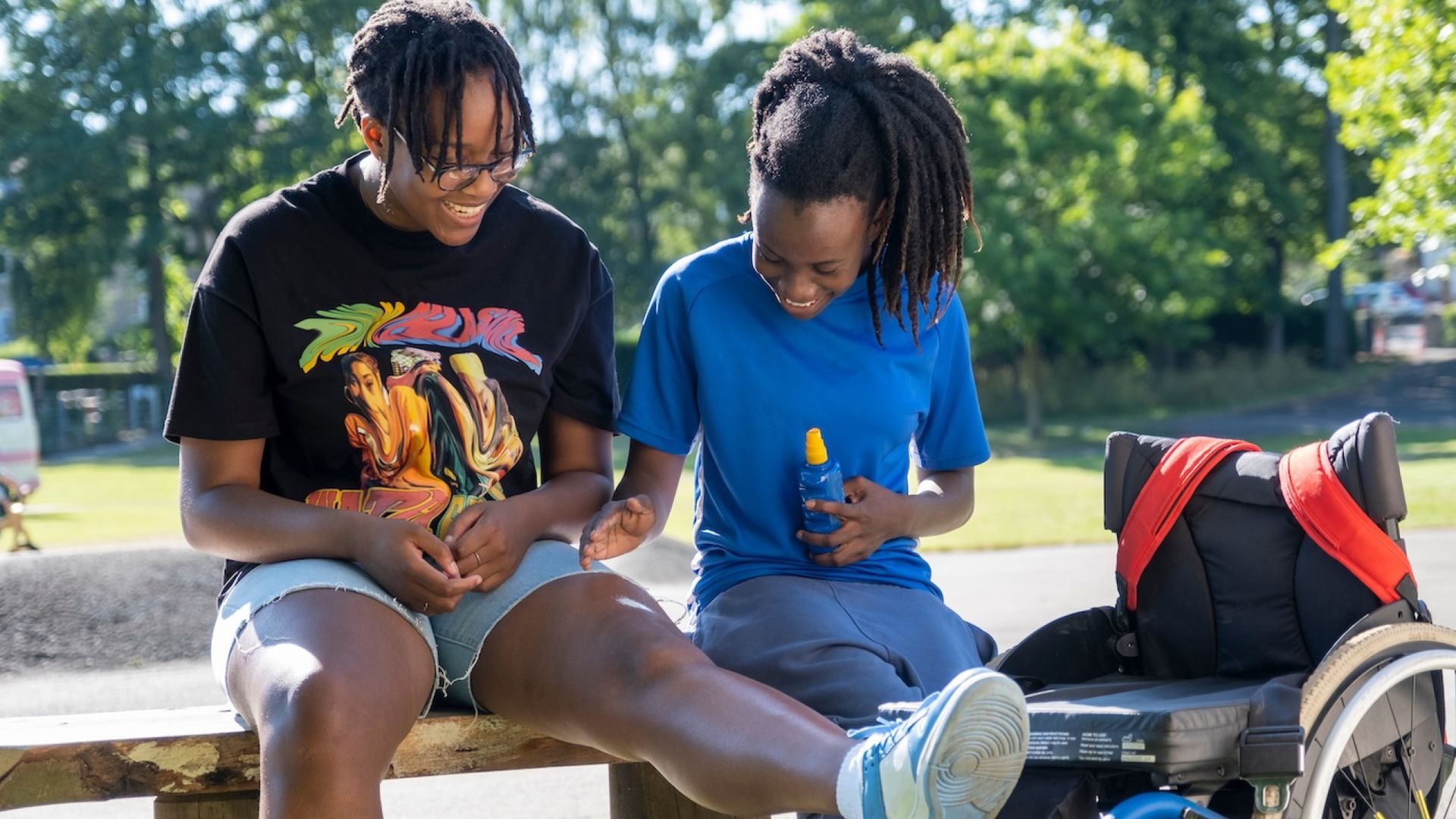
One of the most important things you can do in summer is protect your skin! The sun’s rays are strongest between 11 a.m. and 3 p.m., and skin can burn faster than most people expect. Sunscreen with SPF 30 or higher should be applied to all exposed skin before heading outside — and reapplied every two hours if you are staying out for a while. A wide-brimmed hat and sunglasses add an extra layer of protection. For people who need help with personal care tasks, caregivers and support staff should make sun protection a regular part of the outdoor routine, just like putting on shoes.
Heat Is a Serious Risk – and Medications Add Challenges
Staying cool in summer is about more than comfort! Heat exhaustion and heat stroke are real medical emergencies. What many people do not realize is that some medications that are often prescribed for people with developmental disabilities — including some used for seizures, anxiety, mood, or behavior — can reduce the body’s ability to regulate temperature. This means that heat can become dangerous more quickly than it would for others. Dizziness, confusion, unusual fatigue, or a sudden stop in sweating are warning signs that should never be ignored.
Drinking water throughout the day, even when not feeling thirsty, is essential! Loose, light-colored clothing helps, too. The safest choice is to stay in the shade or in an air-conditioned space during the hottest hours of the day.
Check out this story from 2024 for more information on the differences between heat stroke and heat exhaustion, and some of the medications that can impact heat tolerance.
Bugs, Bites, and Allergies
Mosquitoes, ticks, and stinging insects are part of summer too, and they can cause more than just discomfort. Mosquito and tick bites can spread illness, so using bug spray with DEET or another approved ingredient is a smart habit whenever spending time outdoors. After walking through grass or wooded areas, checking the body carefully for ticks is important — especially in the hair, behind the knees, and in the armpits. This is something a support person can help with as part of an after-outing routine. For anyone with a known bee sting allergy, an EpiPen should always be on hand, and everyone involved in that person’s care should know exactly where it is kept and how to use it.
When Someone Can’t Easily Say How They Feel
One area that deserves special attention for people with developmental disabilities is communication around discomfort and illness. Not everyone can easily say “I’m too hot” or “something hurts.” Caregivers and family members should watch for changes that might signal a problem: red or flushed skin, unusual irritability, becoming very quiet, crying without an obvious reason, or not urinating. These can all be signs of heat-related illness or another issue that needs attention. Knowing the person’s typical behavior makes it easier to spot when something is off. Acting quickly — moving to a cooler space, offering water, and calling for help if needed — can make a real difference.
Water Safety Requires Constant Attention
Pools, lakes, and splash pads are popular summer destinations, and for good reason. But water safety is an area where extra vigilance is always warranted. Some people with developmental disabilities are strongly drawn to water and may not recognize the danger it presents. Others may have limited swimming ability or may not respond predictably in an emergency. Close, attentive supervision — not just nearby presence — is essential near any body of water. Life jackets should be worn during boating or near open water. If water attraction is a known concern, having a clear, written safety plan before the season begins is a wise step.
A Little Planning Goes a Long Way
The best summer safety strategy starts before the warm weather arrives. Talking with a doctor in spring about medications and heat sensitivity is a good first step. Making sure all caregivers and support staff are on the same page — about warning signs, emergency contacts, and daily routines — helps everyone feel prepared. A simple outing bag stocked with water, sunscreen, bug spray, medications, and a change of clothes can cover most situations. Summer is meant to be enjoyed, and with some thoughtful preparation, it can be — safely and fully — by everyone.